Treatment Overview
What is a Chemical Peel?
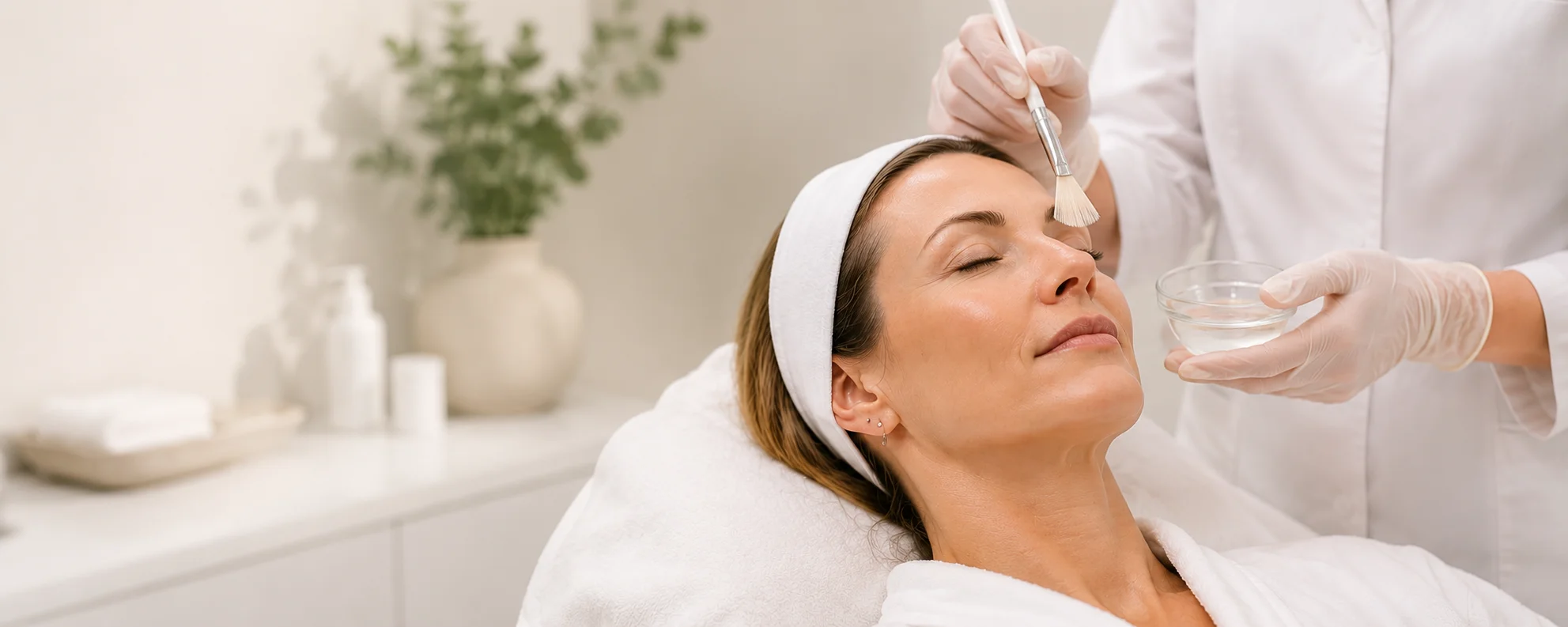
A chemical peel is a medical-grade skin resurfacing treatment that uses carefully selected acids (such as glycolic, lactic, salicylic, or TCA) to exfoliate the outermost layers of skin and trigger natural cell renewal. The result is dramatically smoother texture, more even tone, and visibly reduced pigmentation, dark spots, and early lines.
At YYC Medical Aesthetics, peels are selected and customized to your skin type, concerns, and tolerance. Whether you want a gentle lunch-hour refresh or a deeper resurfacing treatment, we tailor the acid blend and concentration to your unique goals.
Concerns
Chemical Peels for Uneven Skin
Tone & Texture
Our medical-grade peels target a wide range of skin concerns with precision and care.
Your Experience
What to Expect
A targeted treatment that delivers visible renewal, with minimal disruption to your day.
Skin Assessment & Peel Selection
Your appointment begins with a detailed skin assessment to evaluate your skin type, sensitivity, and primary concerns. The appropriate peel type and strength (from superficial to medium-depth) is selected based on your goals and skin history.
Cleanse & Prep
Your skin is thoroughly cleansed and degreased to remove all traces of oil and product, ensuring even penetration of the peel solution. This step is critical for consistent, predictable results across all skin types.
Peel Application
The chemical peel solution is carefully applied to the skin in controlled layers. You may feel mild tingling, warmth, or a slight stinging sensation. All are normal responses. The peel remains on your skin for a precise amount of time, monitored closely throughout. Most appointments take 30–60 minutes in total.
Neutralize & Finish
The peel is neutralized or removed at the optimal moment, and a soothing post-peel protocol is applied to calm and protect the skin. You'll leave with detailed aftercare instructions to support your skin through the renewal process over the following days.
Longevity
Results & How Long They Last
Visible skin renewal with results that build beautifully over a course of treatments.
After a chemical peel, your skin will go through a natural shedding phase over 5–7 days as the treated layers shed and reveal fresher, more radiant skin beneath. Redness and mild peeling are normal and a sign the treatment is working. Once fully healed, your skin will appear noticeably smoother, brighter, and more even in tone. For lasting improvements in pigmentation, texture, or acne scarring, a course of 3–6 peels spaced 4–6 weeks apart is recommended.
Results
Chemical Peel Before & After
Real patients, real results. Individual outcomes may vary.
FAQ